



|
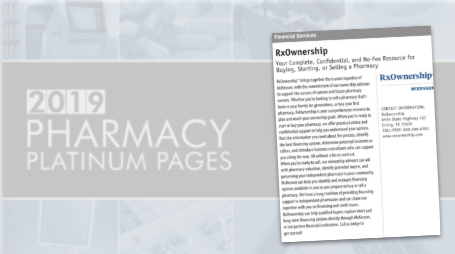
RxOwnership
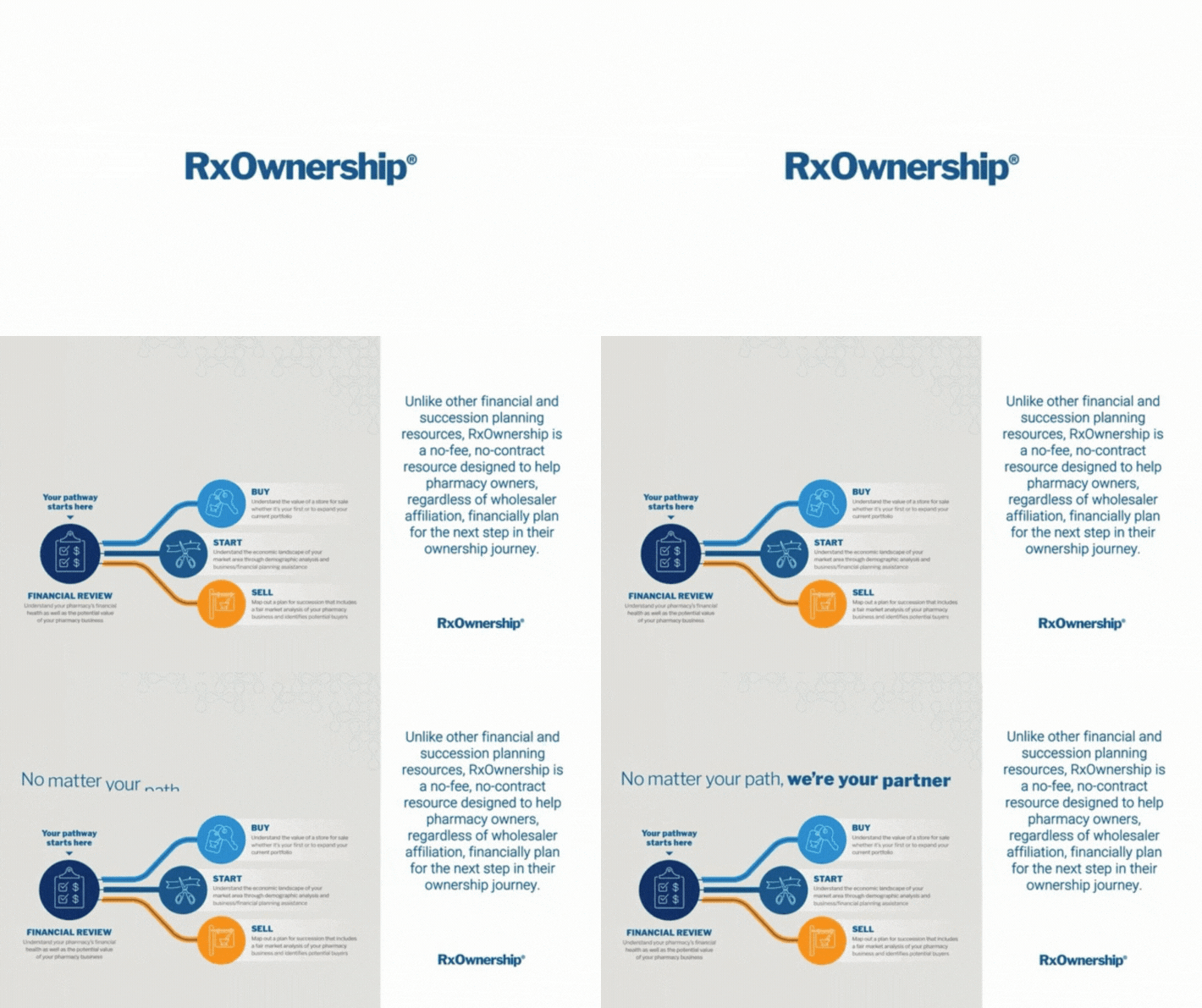
Pharmacy ownership transfer has never been more complex. With that in mind, RxOwnership was created with one purpose in mind: to help pharmacy professionals with the sale, purchase, or transfer of independent pharmacies.
RxOwnership brings together the expertise of McKesson with the dedication of our expert Ownership Consultants to support the needs of current and future pharmacy owners. Whether you're looking to sell a chain of pharmacies that's been in your family for generations -- or purchase your very first pharmacy business -- RxOwnership is a helpful resource for everything from planning to staffing.
Plan an Independent Pharmacy Career
It's never too soon to plan for the purchase of your pharmacy
For many pharmacy professionals, the ultimate goal of a pharmacy career is pharmacy ownership. The freedom and responsibility that comes with owning and managing one's own pharmacy is unmatched in our industry. However, the process of buying an independent pharmacy is extremely complex. Powered by McKesson, RxOwnership is here to help.
RxOwnership provides you with the tools and resources you need to plan for the successful acquisition of your very own pharmacy. With information on everything from Business Basics to Store Set-Up you'll know exactly what it takes to fulfill your dream of pharmacy ownership.
Embrace the business of pharmacy ownership.
Above all else, a successful pharmacy is a successful business. That's why you'll want to address a range of important considerations that go well beyond running your pharmacy practice. Those considerations include:
- Developing an effective business plan
- Budgeting and business projections
- Evaluating third-party contracting
- Instituting human resources management
- Planning and executing marketing programs
RxOwnership Ownership Consultants can also provide you with guidance to point you in the right direction to find the information you need. Most likely, the information you need is available to help you become a successful pharmacy owner.
Sell or Transfer Pharmacy Ownership
It's never too soon to plan for the sale of your pharmacy
As a pharmacy owner, planning for the eventual sale of that pharmacy is one of the most important things you can do -- for yourself and your customers. However, the process of selling an independent pharmacy is extremely complex. Powered by McKesson, RxOwnership is here to help.
RxOwnership provides you with the tools and resources you need to plan for the successful sale and transfer of your pharmacy. With our tools, resources, and especially our Step-by-Step Guide, you'll know exactly what it takes to sell successfully.
Steps for planning your pharmacy's future
If you approach the process of selling your pharmacy in a step-by-step manner, it won't be overwhelming. By giving yourself sufficient time, you can carefully consider and refine what is best for you, your family, your employees, and your community. You will have time to consult with colleagues who are several years ahead of you in the process, and to build a team of specialists around you.
As you think about the ownership transfer of your pharmacy, jot down what you want the pharmacy to be like in 3, 5, or 10 years. This can help you understand how you want to sell your pharmacy -- and to whom.
Financing as part of the sale process.
Many pharmacy owners, sellers, and sales managers attempt to start the ownership transfer process with financing. This is a guaranteed recipe for disappointment. As has been pointed out repeatedly, there are myriad decisions that must be considered and made before considering financing. Financing should only be approached once the succession planning has been completed.
There are many different types of financing available today. Most people think first of traditional lenders such as banks and organizations such as the Small Business Administration (SBA) when they think of financing. Others think of suppliers and wholesalers providing dating of product as a form of financing. In addition to these, financing can come from a current owner "taking back a note." Loans from parents and relatives also are common forms of financing.
Rarely is just one type of financing used in the sale/purchase of a pharmacy. For this reason, it is important to understand the breadth of financing options available.
|
|
RxOwnership on buying and selling a pharmacy and franchising with Pharmacy ownership. sale, purchase, or transfer of independent pharmacies and an Independent Pharmacy Career. owning and managing own pharmacy. RxOwnership and franchising an independent pharmacy ownership.
|
Prudential
Pharmacy Values are currently very high.
Don't sell yourself short.
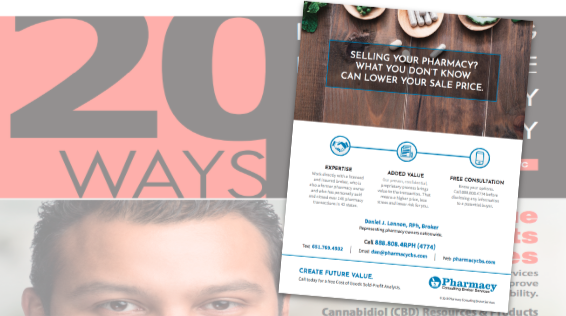
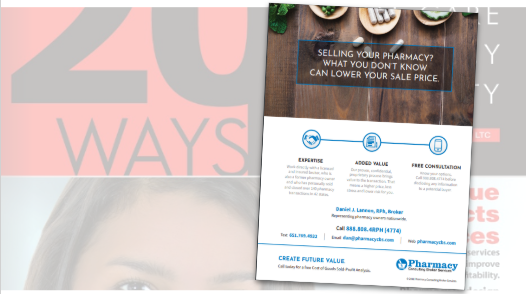
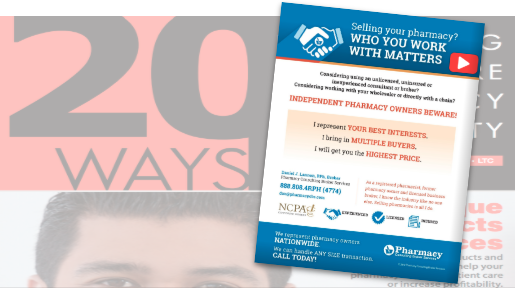
At Prudential Consulting Broker Services, we know that properly executed commercial transactions are complex. Selling your pharmacy without a licensed agent can net a lower price and pose a higher risk of litigation. Let us take the hassle and worry out of selling your pharmacy. We will work with your attorney and accountant to provide professional and confidential representation from start to finish, netting you the highest value for your pharmacy.
With Prudential Consulting Broker Services, you will be working with a fully licensed Prudential commercial agent who is a registered pharmacist and pharmacy industry specialist, legally licensed to sell a pharmacy. We will provide unsurpassed access to buyers and the national presence and negotiating clout to bring you the highest value for your pharmacy, all at a competitive rate.
Listing Service
Prudential Consulting Broker Services offers a full listing service to help sell your pharmacy at the highest possible price. When you list with us, you can be assured that your transaction will be handled with the utmost integrity and professionalism. Many brokers and consultants claim they have a "proprietary list of buyers" or "know who the buyers are". The simple truth is that no company is more connected to buyers on a state and national level than Prudential Consulting Broker Services. Listing your pharmacy for sale with us will give you the number one advantage in obtaining the highest value for your pharmacy, and that is exposure to multiple qualified buyers. Our listings are brought to the five major types of buyers through a national marketing program, dramatically increasing your chance of bringing the greatest number of qualified buyers to the negotiating table, which is the key to driving the highest value for your pharmacy in todays market.
- Confidential and Discreet
- The Consulting Broker Advantage
Buyer Services
Prudential Consulting Broker Services offers a full range of buyer services. We can assist buyers in obtaining financing, helping refine and perform due diligence for a potential pharmacy acquisition, do an appropriate valuation for an asset sale or legal needs, and analyze business operations and performance.
- Financing Options
- Due Diligence Assistance
- Determining Market Value
Seller Services
Prudential Consulting Broker Services offers a full range of seller services. We will first determine the market value of your pharmacy. We will then build a professional portfolio ("the book") to present to qualified buyers. Then we will launch our proprietary national marketing program to locate potential qualified buyers. After we narrow down a list of candidates, we will look at offers and negotiate your purchase agreement and price. Once we find an acceptable buyer with an acceptable price, we will set up and attend the "closing" of your deal with you as your representative.
|
|
Prudential Consulting Broker Services on Franchise & Acquisition. Selling your pharmacy or buying a pharmacy need a Listing Service with Buyer Services for pharmacies. pharmacy Financing Options, own your own pharmacy or buy a pharmacy and sell a pharmacy. seller services and pharmacies for sale with pharmacy valuation.
|
Live Oak Bank
Grow With Us
With 20+ years experience in the health care industry, Live Oak Bank has earned a trusted reputation by working almost exclusively with health care professionals and their practices. Because we understand the challenges unique to pharmacists and independent pharmacies, you'll find we're not only easy to work with, but extremely helpful, knowledgeable and well-equipped to help you achieve your goals and make sure you stayed pointed in the right direction.
Whether you are expending, remodeling or refinancing, with Live Oak Bank you will face the future with confidence knowing we're behind you every step of the way, from start to finish. With Live Oak Bank as your trusted lending partner you will spend less time worrying about your loan and more time doing what you do best - keeping your community healthy.
We're Partners, Not Salespeople
You won't find commissioned salespeople at Live Oak Bank. Instead, you'll work with a senior lending professional who owns a share of the company and is uniquely invested in helping you succeed. Because we're a small bank with big bank expertise, we understand the entrepreneurial spirit and are dedicated to helping you thrive in your communities.
You've Found Your Bank. Live Oak Bank.
|
|
|
CVS/Caremark Acquisitions
In these changing times, a variety of issues such as profit margin erosion, government regulations, increasing overhead costs, and low third party reimbursement rates continue to diminish the profitability of the community pharmacy. These factors, along with a limited number of potential buyers, have made the CVS/pharmacy Acquisitions Program an attractive and realistic alternative for many independent pharmacies. Over the years, our acquisitions program has become the benchmark in the industry, building a reputation of integrity, fairness and compassion for pharmacy owners who have made the decision to sell their business.
A purchase by CVS may involve front store inventory, pharmacy inventory, and a payment for your prescription files. We would work with you to structure a financial arrangement that will accommodate creditor situations and individual tax needs.
In addition, our growing prescription business has created a need for quality pharmacists to join our staff at a competitive salary with a comprehensive benefits package.
We would be glad to provide you with more information regarding the CVS/pharmacy Acquisitions Program. All inquiries will be held in strict confidence.
|
|
Local CVS contacts for buying an independent pharmacy. CVS acquisiions and selling a pharmacy to CVS and appraisals, market value and estimations. How to sell a community pharmacy to CVS, Walgreens, Rite Aid, Wal-Mart or Target.
Cardinal Health - Pharmacy Transition & Strategy
Since initially launching these services in October 2008, Cardinal Health’s Transition Strategy and Management team has worked with more than 125 pharmacists interested in buying or selling an independent pharmacy. Because Cardinal Health serves more than 5,000 independent pharmacies throughout the United States, the company is uniquely positioned to match potential buyers and sellers and to help develop acquisition and exit strategies that take into consideration the specific challenges these owners face.
“Cardinal Health understands that to many independent pharmacists, planning for the future of their businesses is much like planning for the future of their families,” said Jimmy Neil, vice president of Transition Strategy and Management for Cardinal Health. “It’s extremely important - but it can also be a complicated, lengthy and emotional process. Studies show that ownership of more than 60 percent of community pharmacies will change hands within the next 10 years, so we’re committed to making sure that independent pharmacies have all of the information and expertise they need to buy, sell or create a long-term exit strategy for their business.”
Cardinal Health’s Transition Strategy and Management team can help independent pharmacists to determine the best timing to buy or sell a pharmacy, learn how to structure the sales transaction and understand what kind of additional outside counsel they need.
Cardinal Health can also help independent pharmacy buyers to:
- Determine whether to pursue a start-up or acquisition
- Locate and qualify potential sellers
- Learn how to get attractive financing and how to negotiate a fair purchase price
- Create a long-term business plan, complete with a built-in exit strategy and
- Redesign newly purchased pharmacies to create a fresh, more efficient workflow.
Additionally, Cardinal Health can help independent pharmacy sellers to:
- Locate and qualify potential buyers
- Learn how to market their business for sale and how to negotiate a fair sales price and
- Determine how to invest the proceeds and what their role will be following the sale.
“Cardinal Health offered me a tremendous amount of personal, hands-on support to guide me through every step of finding and buying the right pharmacy,” said John D. Ortego, PharmD, owner of Parkside Pharmacy in Sacramento, Calif. “They helped me learn about different pharmacy business models, negotiate the lease, understand the financing issues, think through changes I wanted to make to the store’s design and even helped me create a long-term business plan. Cardinal Health treated every detail of my pharmacy buying and building experience like it was their own, and their invaluable guidance and expertise played a key role in helping me realize my dream of pharmacy ownership.”
Cardinal Health’s Transition Strategy and Management services are available to all independent pharmacy owners, pharmacy students and to pharmacists who aren’t currently affiliated with an independent pharmacy but are considering independent pharmacy ownership.
About Cardinal Health
Headquartered in Dublin, Ohio, Cardinal Health, Inc. (NYSE: CAH) is a $91 billion, global company serving the health care industry with products and services that help hospitals, physician offices and pharmacies reduce costs, improve safety, productivity and profitability, and deliver better care to patients. With a focus on making supply chains more efficient, reducing hospital-acquired infections and breaking the cycle of harmful medication errors, Cardinal Health develops market-leading technologies, including Alaris® IV pumps, Pyxis® automated dispensing and patient identification systems, MedMined™ electronic infection surveillance service and VIASYS® respiratory care products. The company also manufactures medical and surgical products and is one of the largest distributors of pharmaceuticals and medical supplies worldwide. Ranked No. 18 on the Fortune 500, Cardinal Health employs more than 40,000 people on five continents. More information about the company may be found by clicking on the link below to visit our website.
|
|
Cardinal Health on Pharmacy Franchise Opportunities and Buying & Selling Drug Stores.buying and selling pharmacy franchising with Transition Strategy and Management team and independent pharmacists. Buy or sell a pharmacy, independent pharmacy buyer acquisitions start-up long term business plan exit stragety. independent pharmacy owners, pharmacy students and to pharmacists considering independent pharmacy ownership.
|
Hayslip & Zost
Specialized Financing is Available!
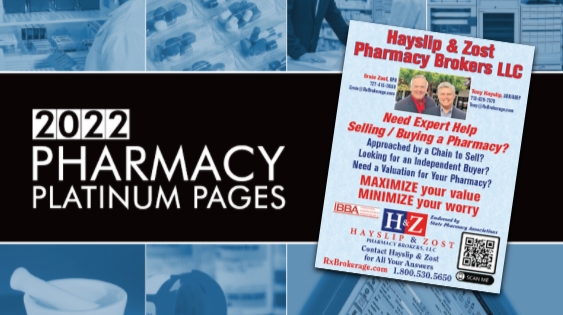
We have sold and purchased hundreds of pharmacies over the past decade with satisfied sellers and buyers. Tony Hayslip and staff have more than 50 years of pharmacy expertise in all segments of the business.
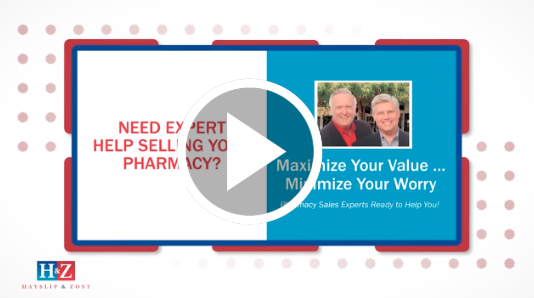
Hayslip & Zost Pharmacy Brokers LLC specializes in successfully handling pharmacy sales transactions. We specialize in developing effective exit strategies for pharmacy owners in all states. Buyers turn to us first when they are expanding. Since we are experts in the industry, we can make sure your business value is maximized and your worries are minimized. We bring interested buyers together with interested pharmacy sellers – not simply "list" a business for sale. Unlike most business brokers, we only specialize in independent pharmacy ownership transaction.
So invest in your future by contacting the pharmacy sales professionals at Hayslip & Zost Pharmacy Brokers LLC. You will find out that we really can maximize the value of your pharmacy business, to get you the most favorable terms. Use the links below to contact us or to view our website.
|
|
Assistance in Pharmacy Acquisitions, Selling a Pharmacy, Independent Pharmacy Brokers and How to Sell a Pharmacy consultants on selling an community pharmacy, financing and calculating pharmacy value Consultants to determine market value of a pharmacy evaluator, pharmacy appraisals with total sales and script volume as well as customer base and location Hayslip & Zost
|
Prudential
Selling Your Pharmacy? Get the highest possible price!
Read More...
|
|
Live Oak Bank
Live Oak Bank helps you expand, refinance, remodel, or buy an existing pharmacy practice when you're ready. Read More...
|
|
RxOwnership
Buying, Selling, or Starting a Pharmacy?
RxOwnership helps you practice pharmacy your way. Read More...
|
|
Good Neighbor Pharmacy
Today, thousands of independent Good Neighbor Pharmacies enjoy the power of volume purchasing, scaled services and best practice solutions from AmerisourceBergen® Read More...
|
|
Cardinal Health
Purchasing a pharmacy is a major decision with cost, location and finance options to consider. Cardinal Health can assist in this process, including structure and financing discussions. Read More...
|
|
|
Terms used when buying or selling a business. The term is listed followed by its definition.
Accounts Receivable
A financial claim by a business against a customer arising from a sale of goods or services on credit. One measure of the health of a business is how fast customers pay off their accounts. Less that 30 days is good, 30 to 60 days may be okay, and over 60 days could be a problem.
Accrued Interest
Unpaid interest to date on a note or mortgage.
Accumulated Depreciation
The total depreciation of an asset that has been charged as an expense to date.
Agreement in Principle
A preliminary agreement reached between the buyer and seller of a business that outlines the general terms under which more detailed negotiations will be undertaken.
Allocation of Purchase Price
In an asset sale, the purchase price must be allocated to certain assets; the balance is goodwill.
Amortization
A spreading out of costs over a period of time similar to depreciation. For example, it can be a reduction in a debt or fund by periodic payments covering interest and part of the principal over a period of time. It is different from depreciation in that depreciation usually refers to physical things where amortization applies to things that expire (mortgages, patents, etc.).
Arms-Length Buyer
Any person, corporation, or other entity with whom you deal regarding the sale of your business and who has no prior financial or family involvement with you.
Asset Sale
Purchase of certain assets and/or liabilities, leaving the seller the remainder as well as the corporate entity.
Asset-Based Lenders
Commercial lenders who are willing to take on more risk than commercial banks, lending against accounts receivable and inventory and being subordinate to commercial banks.
Book Value
Also known as net worth, the figure derived by deducting all the liabilities from all the assets.
Book Value (of a Business)
The book value of a business is determined from the financial records, by adding the current value of all assets (generally excluding such intangibles as goodwill), then deducting all debts and other liabilities. Book value of the business may have little or no significant to relationship to actual market value due to depreciation and lack of consideration for goodwill (intangible assets).
Book Value (of an Asset)
The accounting value of an asset shown on the balance sheet that is the original cost of the asset less its accumulated depreciation. Keep in mind that this value may have little or no relationship to the real market value of the asset. Frequently, depreciation expenses are charged much faster that the actual decline in the asset's value.
Bulk Transfer
Article 6 of the Uniform Commercial Code regulates the bulk transfer through the sale or ownership change of a large portion ( usually greater than 50%) of a business's inventory, material, supplies, merchandise, and equipment. Requirements include the advance notification of creditors of the impending sale of a business and its assets listed above to prevent fraud. Provisions in each state are somewhat different so check your local statutes.
Capitalization Rate
The conversion of income into value as part of the valuation process by the application of a capitalization factor ( any multiplies or divisor used to convert income to value).
Cash Flow
The amount of money left over after the cost of goods sold and general, selling, and administrative expenses, but before interest depreciation, taxes, and amortization.
Closing
The process of legally completing the purchase and sale of a business by exchanging asset titles. stock certificates, cash, and promissory notes.
Collateral
Property pledged by a borrower to protect the interests of the lender. Bank loans are often collateralized or secured by the company's accounts receivables, inventory, and/or equipment.
Commission
The negotiated fee, usually a percentage of the purchase and sale price of the total business cost, earned by a business broker for facilitating the sale of a business. Usually the value of the inventory and other non capitalized assets are excluded from the calculation of the commission.
Confidentiality
The provision of proprietary information by one party to another for that party's exclusive use, with a prohibition against passing it on to others.
Contingent
Dependent on or conditioned by something else. For example, the price established for the business may vary depending on some future event.
Contingent Payments
Future financial obligations that are dependent on contractual events taking place.
Covenant Not To Compete
An agreement given by the seller of a business to the business buyer to not compete in that or a similar business for a specified period of time, and within a specified geographic area.
Covenants
Binding agreements between the buyer and the seller that restrict each party from taking certain actions, particularly during the letter of intent period and closing.
Debt Service
This is the payment of principal and interest required on a debt (usually a loan or mortgage) over a specified period of time and interest rate.
Depreciation
Charges against earnings to write off the cost, less salvage value, of an asset over its estimated useful life. It is a bookkeeping entry for accounting and tax purposes and does not represent cash outlay.
Due Diligence
The investigation of the other party's business practices in an attempt to uncover previously unknown information.
Earnout
A part of the purchase price that is dependent on a future performance variable, such as profits or sales.
Employment Agreement
This is an agreement whereby key employees agree to remain with the business for a specified period of time under certain conditions.
Escrow
Money that is delivered to a third party and held on deposit until the party to receive it fulfills certain conditions.
Fair Market Value
What the assets would most likely sell for in the open market; this is often determined by a professional appraiser.
Fiscal Year
The annual accounting period selected by a business to best correspond to its operations. A fiscal year can correspond to a normal calendar year or begin/end anywhere in between, e.g.; the federal government's fiscal year begins October 1 and ends September 30.
Franchise
A form of business organization in which the franchisor (the primary company) provides to a franchisse (the local business) a market tested business package involving a product or service. The franchisse operates under the franchiser's trade name and markets goods and/or services in accordance with a contractual agreement.
Gross Revenues
Any positive cash flow that enter a business. Gross revenues do not take expenses into account, and are therefore not the most highly recommended figure to extrapolate a business’s value from.
Holdback Provision
In the purchase and sale agreement, a provision stating that if a buyer winds up having to pay a debt that the seller did not disclose, it will be paid from an amount that was held back at closing and placed in an escrow account.
Income and Expense Statement
A summary of a business's revenues, expenses, and profits for a specific period of time, usually for a full fiscal year.
Indemnification
Exemption for the buyer from incurred penalties or liabilities after the closing as a result of incomplete representations and warranties of the seller.
Intermediary
An agent who is a mergers and acquisitions consultant to the buyer or seller and is expected to facilitate the transaction.
Investment Banker
An intermediary who often provides additional services such as bridge loans or underwritings.
Lehman Formula
The industry standard commission rate, which is a sliding scale, i.e., 5-4-3-2-1 percent on each successive million dollars of the purchase price.
Letter of Intent
A preliminary offer to purchase a business, usually non binding, which if accepted by the seller leads to the drafting of a purchase ans sale agreement.
M & A
An acronym for mergers and acquisitions.
Middle Market
Companies with sales between $2 million and $150 million.
Net Present Value
Money paid out in the future discounted at the opportunity cost of capital for a similar risk over the specified period of time.
Note, Promissory
A written promise to repay a loan. Usually a key part of a business sale. Normally written from the buyer to the seller for a period of 5-10 years.
Overhead
Method of allocation all non-labor costs to the various products manufactured or services performed.
Partnership
A legal business association of two or more persons co-owning a business and sharing in the profits and losses. Although there are several kinds of partnerships, the tow most common are, general and limited partnerships.
Perquisites (Perks)
Elements of compensation in addition to a regular salary, such as the use of a company automobile, country club membership, entertainment allowance, etc.
Pro Forma
A set of projected financial statements which usually includes: income and expense statements, cash flow projections, and balance sheets. Generally, in a purchase and sale of a business, a seller prepares an optimistic pro forma statement. The buyer should ensure that a realistic pro forma is used as part of the business plan for the newly acquired business.
Profit and Loss Statement
The same as the income and expense statement.
Promissory Note
A written promise to pay a sum of money at a specified future date in accordance with a predetermined interest rate and payment schedule.
Representations and Warranties
Indemnifications and covenants written into the purchase and sale agreement that provide factual information that is important to protect the buyer in the event of future problems.
ROI, ROE
Return on investment and return on equity; they must be greater that the cost of capital in order to create shareholder value.
Seller Financing
A situation in which the seller extends his or her own notes to the buyer in lieu of paying all cash at closing or obtaining other debt financing, such as bank loans.
Stock Sale
Purchase of the company's shares of stock; the buyer then assumes all the assets and all the debt, both tangible and intangible.
Valuation
The formal process of estimating the worth of a business.
Walk Away Price
The highest price that a buyer will offer.
Working Capital
The readily convertible capital required in a business to permit the regular carrying forward of operations

|
ApothecaryRx
ApothecaryRx is a privately held company that buys and operates retail pharmacies servicing clinics, hospitals, medical office buildings and healthcare campuses. We buy strong independent pharmacies and allow them to remain successful by leaving intact the features that have led to their success; the manager, the staff and their style of customer service. Our mission is to help independent pharmacies maintain their strength and independence through the retirement of their owner/founder... |

Buy-Sellapharmacy.com
The principals of Buy-Sell A Pharmacy.com are a diverse group of experienced businesspeople in the pharmacy arena, marketers, financial advisers, pharmacists and former store owners. Over the past thirty years we have collectively owned, bought and sold dozens of pharmacies for our accounts and have advised and counseled many of your professional colleagues about this activity, as well as how to finance and structure these transactions. |
CVS Realty
Selling an Independent Pharmacy to CVS/Caremark |
Hayslip Pharmacy Brokers, LLC
We have sold and purchased hundreds of pharmacies over the past decade with satisfied sellers and buyers. Hayslip & Zost Pharmacy Brokers and its staff have more than 50 years of pharmacy expertise in all segments of the business. So invest in your future by contacting the pharmacy sales professionals at Hayslip & Zost Pharmacy Brokers LLC.
|
Independent Pharmacy Consulting Group / Sagemark Consulting
Estate Planning: Estate taxes can significantly shrink the size of your estate. Proper planning is critical to help minimize estate settlement costs and provide a comfortable living for your family. We provide advice on issues including property ownership, distribution strategies, estate tax reduction and tax payment techniques.
Business Owner Planning: If you are a business owner, we help you to decide whether to keep or sell your interest at death, disability or retirement. Whatever your decision, we help assist you in retaining its value for you and your family. We will also evaluate the tax consequences of your options and help you reduce their impact at the time of transfer.
Retirement Planning: With retirement often lasting for 20 years or more, many of our clients are concerned about outliving their savings. To avoid a savings shortfall, it is critical to spend time now to help ensure that you will have the capital to afford the retirement lifestyle you desire. We'll help you choose the appropriate techniques to accumulate wealth for retirement income and offer sound alternatives for asset allocation and income distribution following retirement.
Investment Planning: In today's economic environment, obtaining investment information is easy; choosing the investments that are appropriate for you is much more difficult. We assist you in identifying your investment objectives, evaluating your risk tolerance, analyzing your current portfolio, developing an appropriate asset allocation strategy and recommending various alternatives tailored to help meet your individual needs and goals. |
Selling a Pharmacy?
If you are interested in selling a pharmacy, appraisals, or market value estimations, please contact the Pharmacy brokers, consultants and chain acquisition teams on The Virtual Pharmacy Trade Show. |
Small Business Administration
Programs and services to help you start, grow and succeed. The U.S. Small Business Administration (SBA) was created in 1953 as an independent agency of the federal government to aid, counsel, assist and protect the interests of small business concerns, to preserve free competitive enterprise and to maintain and strengthen the overall economy of our nation. We recognize that small business is critical to our economic recovery and strength, to building America's future, and to helping the United States compete in today's global marketplace. Although SBA has grown and evolved in the years since it was established in 1953, the bottom line mission remains the same. The SBA helps Americans start, build and grow businesses. Through an extensive network of field offices and partnerships with public and private organizations, SBA delivers its services to people throughout the United States, Puerto Rico, the U. S. Virgin Islands and Guam. |
|
|
In 11Things You Absolutely Need to Know About Selling Your Business John F. Dini, serial entrepreneur, successful business broker, coach and consultant to thousands of business owners, takes you step-by-step though the process of selling your company. John's frank and open style developer though years of "straight from the shoulder" conversations with entrepreneurs, gives you the tools you need to prepare, market, and sell your business... |
| |
Although pharmacy students and pharmacists receive considerable training and guidance on pharmacy practice, relatively little published information is available on business management specifically relevant to pharmacy. This new text provides a comprehensive introduction to the fundamentals of business management, and will help guide both potential and practising pharmacists, pharmacy owners, branch managers and students through the many pitfalls of running a successful pharmacy. A series of case studies serves to illustrate how material may be applied in practice. |
| |
How can you successfully sell to a retail chainstore? Retail Detailed will aid salespeople and manufacturers to better understand and sell more products to the chain store buyer. |
|
|
The most comprehensive, easy-to-use guide to selling a business available! Out there somewhere is a buyer looking to buy a business like yours -- so if you're ready to sell, make sure that you protect your interests and maximize your profit with The Complete Guide to Selling a Business. |
|
 |
|
 |
PCA: 25 Years in the Making: Where Are We Now?
Provided by: ProCE
Upon completion of this activity, pharmacists and nurses will be able to:
* Describe quality improvement models for PCA and the role of nursing and pharmacy in these models
* Discuss pain management in the acute care and ambulatory environment
* Integrate the management of risks associated with PCA use and adequacy of analgesia
* Identify the f... |
 |
Hepatitis C: Current Status and the Evolving Landscape
Provided by: myCME.com
This program enables pharmacists to stay current with the evolving landscape in the management of Hepatitis C. It includes a review of the disease, current treatment options, and agents in clinical development.
Originally provided live through Ernest Mario School of Pharmacy at Rutgers, The State University of New Jersey, the goals in content de... |
 |
Managing Joint Pain and Associated Conditions
Provided by: Power-Pak C.E.®
To provide pharmacists with an update on the newer approaches to the management of osteoarthritis and provide strategies for educating, counseling, and monitoring patients about the relief of joint pain.... |
 |
A Review of Asbestos and Related Consequences
Provided by: U.S. Pharmacist
After completing this activity, participants should be able to:
1. Discuss the origin of asbestos and its impact on health.*
2. Identify the risk factors and etiology of asbestos-related diseases.*
3. Differentiate between various asbestos-related diseases.*
4. Provide information on the current regulation of asbestos.*
5. Recognize... |
 |
Managing Drug Interactions with Warfarin
Provided by: The Collaborative Education Institute
Learning Objectives:
Upon successful completion of this program, pharmacists should be able to:
1. Identify factors that contribute to the high prevalence of warfarin drug interactions.
2. Describe the typical time course for warfarin drug interactions.
3. Describe mechanisms for warfarin drug interactions.
4. Discuss various types of drugs or... |
 |
Improving Quality of Care and Patient Outcomes in Breast, Colorectal and Lung Cancer
Provided by: Academy of Managed Care Pharmacy
Description:
Physicians and pharmacists can utilize this CME activity in a teach-the-teacher format, with a goal to educate physicians, physician assistants, nurse practitioners and pharmacists within their organizations on methods to improve quality of care and patient outcomes in breast cancer, colorectal cancer and lung cancer.... |
 |
Strategies for Lifelong Learning in Pharmacy CPD 101
Provided by: The Collaborative Education Institute
1. Define Continuing Professional Development (CPD)
2. Describe the need to improve how pharmacists approach their continuing education
and lifelong learning
3. List and describe the components of CPD
4. Apply knowledge to a personal CPD example
5. Compare and contrast the traditional CE model with a CPD model... |
 |
Assisting Students in Migraine Management
Provided by: The Collaborative Education Institute
Learning Objectives:
Upon successful completion of this activity, pharmacists should be able to:
1. Discuss the prevalence of migraine and the societal impact in terms of disability, work loss, and health care expenditures.
2. Review the current understanding of migraine's pathophysiology
3. Describe validated tools to improve screening and dia... |
 |
Pharmacotherapeutic Management of Chronic Hepatitis C Infection
Provided by: Pharmacy Society of Wisconsin
1. Discuss the current epidemiology and trends of hepatitis C virus (HCV) infection as well as identify key viral transmission modes and their associated risk factors.
2. Describe the natural progression of liver disease associated with HCV and how host, viral, transmission and environmental factors affect disease progression.
3. Discuss the burd... |
 |
drug allergy: revisiting an old
concept
Provided by: The Collaborative Education Institute
Learning Objectives
Upon completion of this activity, participants
should be able to:
1. Define drug allergy in relation to
adverse drug reactions.
2. Discuss the incidence and risk
factors of drug allergies in the
general population.
3. Evaluate cross-reactivity between
agents to provide alternative
recommendations to patients.
4. Descr... |
 |
Is it Possible to Significantly Limit or Halt the Damage from Rheumatoid Arthritis (RA)? — The Benefits of Anti-TNF Therapy in Managed Care
Provided by: Impact Education, LLC
TARGET AUDIENCE
This activity has been designed to meet the educational needs of managed care pharmacists, pharmacy directors, medical directors, quality directors, policy executives, managed care affiliated physicians, employer and government policy administrators, and other managed care administrators.
STATEMENT OF NEED
The advent of the ant... |
 |
Expanding the Treatment Armamentarium for Non-Small-Cell Lung Cancer: Pharmacist Perspectives
Provided by: ASiM
Lung cancer is the leading cause of cancer-related mortality in the United States, accounting for more than 200 000 new cancer cases and more than 150 000 cancer-related deaths each year. Non–small-cell lung cancer (NSCLC) accounts for more than 85% of lung cancer cases, and is usually associated with a poor prognosis. Health-system pharmacists p... |
 |
Substitution of Generic Drugs for Brand Name Drugs
Provided by: Pharmacy Society of Wisconsin
At the conclusion of this lesson, successful participants should be able to:
1. Explain the requirements for approval of a generic drug
product.
2. Explain how therapeutic equivalence of generic drugs is
established and how the FDA rating system is used.
3. Provide patient education tips for common questions regarding generic drugs.... |
 |
Core Modules for New Preceptors
Provided by: The Collaborative Education Institute
Activity Description:
This knowledge-based activity contains four (4) modules at approximately 30 minutes each in
length. The activities are designed to equip preceptors with the background information they
need to be successful clinical instructors for pharmacy students... |
 |
Multiple Sclerosis in Managed Care: Managing Decisions and Shaping Health Outcomes
Provided by: ASiM
Multiple sclerosis (MS) is a costly disease in terms of its effects on patients’ quality of life and its financial cost to society. The introduction of treatments that are designed to change the natural disease course has focused attention on the economic burden of MS. Balancing cost-effective treatment with current guidelines and optimal therapy... |
 |
Pharmacy Law
Provided by: Pharmacy Society of Wisconsin
Goal: To help pharmacy technicians understand and identify the major legal rules and regulations dealing with the practice of pharmacy.... |
 |
Ethics for Preceptors
Provided by: The Collaborative Education Institute
Learning Objectives:
Upon successful completion of this activity, pharmacist preceptors should be able to:
1. Given a practice-related issue, discern if an ethical problem is present.
2. Define and apply the following principles to clinical practice issues: respect for autonomy, beneficence, nonmaleficence, justice and fidelity.
3. Given an eth... |
 |
Advancing Pharmacy Practice Through Performance Measurement: Future Implications
Provided by: Pharmacy Society of Wisconsin
1. Summarize major recommendations of the Institute of Medicine regarding health care safety and quality.
2. Describe what is meant by "value-driven health care".
3. Describe activities to improve quality in health care and pharmacy practice,including those of the Pharmacy Quality Alliance.
4. Explain the importance of measuring quality in your ... |
 |
Implementing Barcode Technology to Improve Medication Safety
Provided by: ProCE
Medication errors in hospital settings have been associated with high rates of adverse drug reactions and even death. Technological advances, such as barcode scanners, can help prevent medication errors, having been shown to reduce the medication error rate in an ICU setting by 56%. This educational program will review the root problem of medicatio... |
 |
Immunization Update -2010
Provided by: The Collaborative Education Institute
Learning Objectives:
Upon successful completion of this activity, pharmacists should be able to:
1. Use updated guidelines for seasonal influenza immunizations to recommend vaccination.
2. Describe the universal influenza vaccine recommendation.
3. Explain the advantages and limitations of the high dose influenza vaccine for the elderly.
4. Di... |
 |
Tapentadol IR: A Gain for Pain?
Provided by: The Collaborative Education Institute
Learning Objectives
1. Describe the mechanism of action of tapentadol immediate release (IR).
2. Determine the appropriate dose and dosing schedule for tapentadol IR.
3. Recognize tapentadol IR's contraindications, warnings and precautions.
4. Identify adverse effects that have been associated with tapentadol IR.
5. Discuss potential drug-drug... |
 |
Diabetes and Insulin
Provided by: Pharmacy Society of Wisconsin
At the conclusion of this activity, the pharmacists
should be able to:
* Describe diabetes and the proper treatment
* Describe the history of insulin
* Discuss why patients use insulin therapy
* Identify considerations in the dispensing of insulin
* Classify various types of insulin products... |
 |
CPD Toolkit: Strategies for Lifelong Learning in Pharmacy: Health Professionals Inventory of Learning Styles
Provided by: The Collaborative Education Institute
1. Apply principles of learning styles theory to self-reflection
2. Describe methods for identifying personal learning needs/gaps
3. Use the H-PILS as a tool to promote self-reflection... |
 |
Endemic Mycoses in Wisconsin: An Update on Treatment and the Role of the Pharmacist
Provided by: Pharmacy Society of Wisconsin
To provide an update on the treatment of mycoses endemic to Wisconsin and review Infectious Diseases Society of America.... |
 |
Vitamins, Minerals, and Supplements:
Patient Self-Care and the Role of Store Brands
Provided by: ProCE
The overall goal of this program is to understand the role of store brand vitamins, minerals, and supplement products (VMS) in delivering effective patient self-care in the retail environment.
Upon completion of this activity, pharmacists will be able to:
* Interpret and respond to changing patient/client attitudes towards health care and welln... |
 |
Prescription Errors and Their Legal Consequences: Best Practices for Prevention
Provided by: Power-Pak C.E.®
This program is designed to investigate possible causes of prescription medication errors from a legal standpoint by providing the most current data available and presenting strategies to improve safety in health care. ... |
 |
Atrial Fibrillation and Managed Care: Current Approaches and Future Directions for Long-Term Therapy
Provided by: Academy of Managed Care Pharmacy
Atrial fibrillation (AF), a common age-related arrhythmia, is a major public health problem in the United States.
The first article in this supplement describes trends in the prevalence and incidence of AF in the United States and the etiology of, risk factors for, complications of, and economic burden of AF.
The second article in this supplement... |
 |
HIPAA Privacy Training for the Pharmacy Workforce (v4)
Provided by: Ohio Pharmacists Association
Key to learning objectives:
* P = Pharmacist
* T = Technician
At the successful completion of this course, you will be able to:
* Describe the definition of HIPAA and explain the effects on pharmacy workplace. [P]
* Describe what HIPAA is and what it affects. [T]
* Identify HIPAA basics, including Covered Entities and Protected ... |
 |
Managing Chronic Noncancer Pain with Opioids - A Case Approach for the Pharmacists
Provided by: The CE Solution, Inc.
The goal of this activity is to enable pharmacists to apply the latest information about chronic pain management to improve the treatment of patients with chronic noncancer pain requiring use of opioids for an extended duration while minimizing the potential for inappropriate use of the medication.
Accreditation:... |
 |
Preventing Fraud, Waste & Abuse in Pharmacy Practice -Specialized
Provided by: Pharmacy Foundation of California
At the completion of this program, you should be able to:
* Explain the federal regulations related to fraud, waste and abuse
* Describe how Medicaid & Medicare fraud, waste and abuse regulations affect your daily work
* Describe the components of your company's fraud, waste and abuse compliance program
* State your responsibilities un... |
 |
|
|